

What Does It Mean When Art Funds a Community Program?
At Creative Pathways, 3% of all revenue generated through community art events, public murals, and sales of the founder's original paintings is directed to an after-school program in Brockton, Massachusetts. It's a standing commitment, not a one-time donation, which means the program's funding grows and shrinks along with the organization's work.
For most arts nonprofits, community impact and financial sustainability live in separate conversations. Creative Pathways was built so they don't have to.
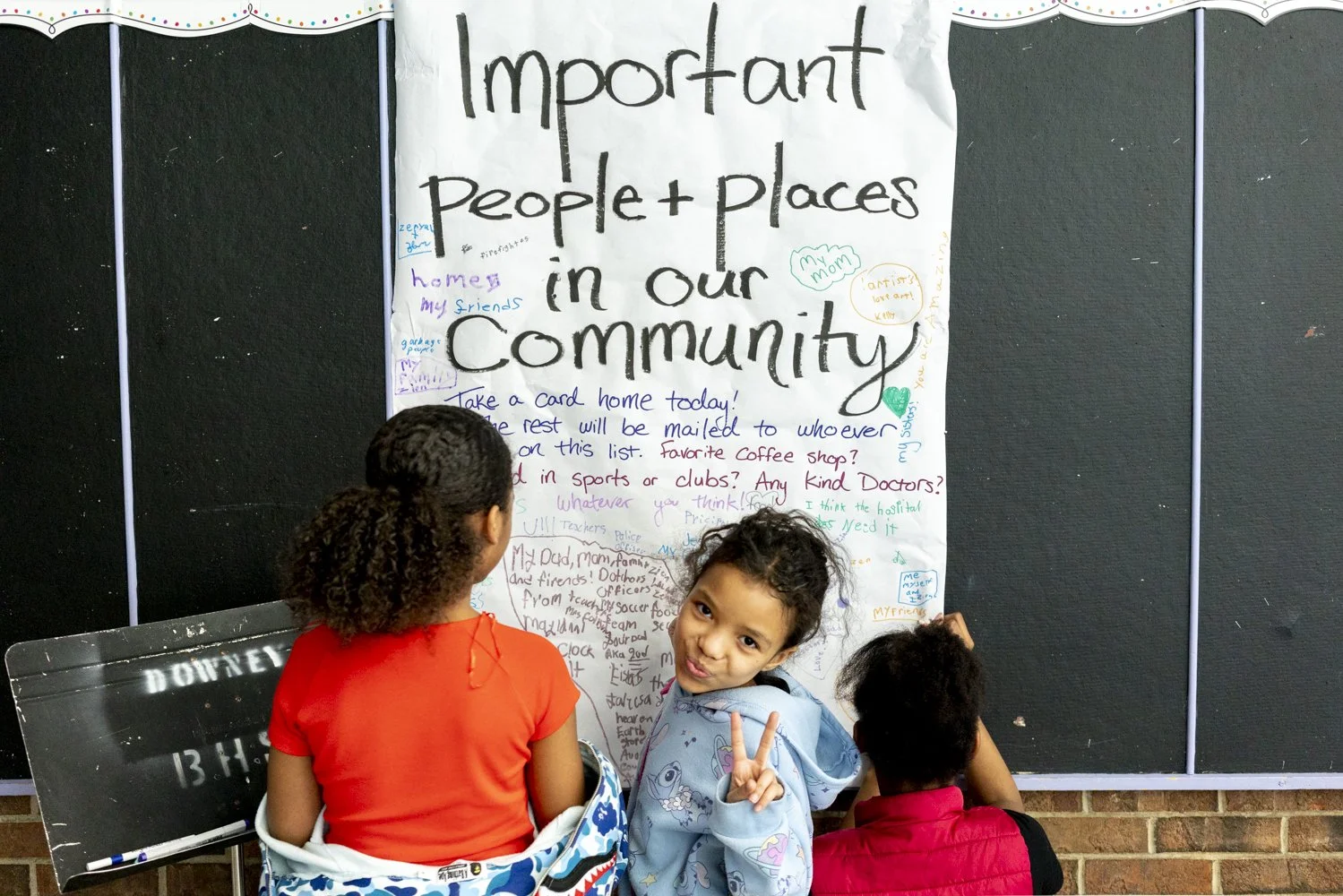
Photo of children during a Creative Pathways community event by Don Claude https://www.donclaude.com/
How Does Creative Pathways Generate the Revenue It Shares?
The organization's income comes from three main sources, all rooted in the same collaborative, visual approach to art-making described throughout its programming:
Community art events, where the public participates directly in creating collaborative pieces
Public murals, commissioned or created in partnership with local organizations and businesses
Sales of Beth’s original paintings, many of which grow out of the same layered, collage-based process used in the studio
None of these revenue streams exist purely to fund the after-school program; instead, each stands on its own as a piece of Creative Pathways' core work. The funding model simply means that as this work grows, so does its reach.
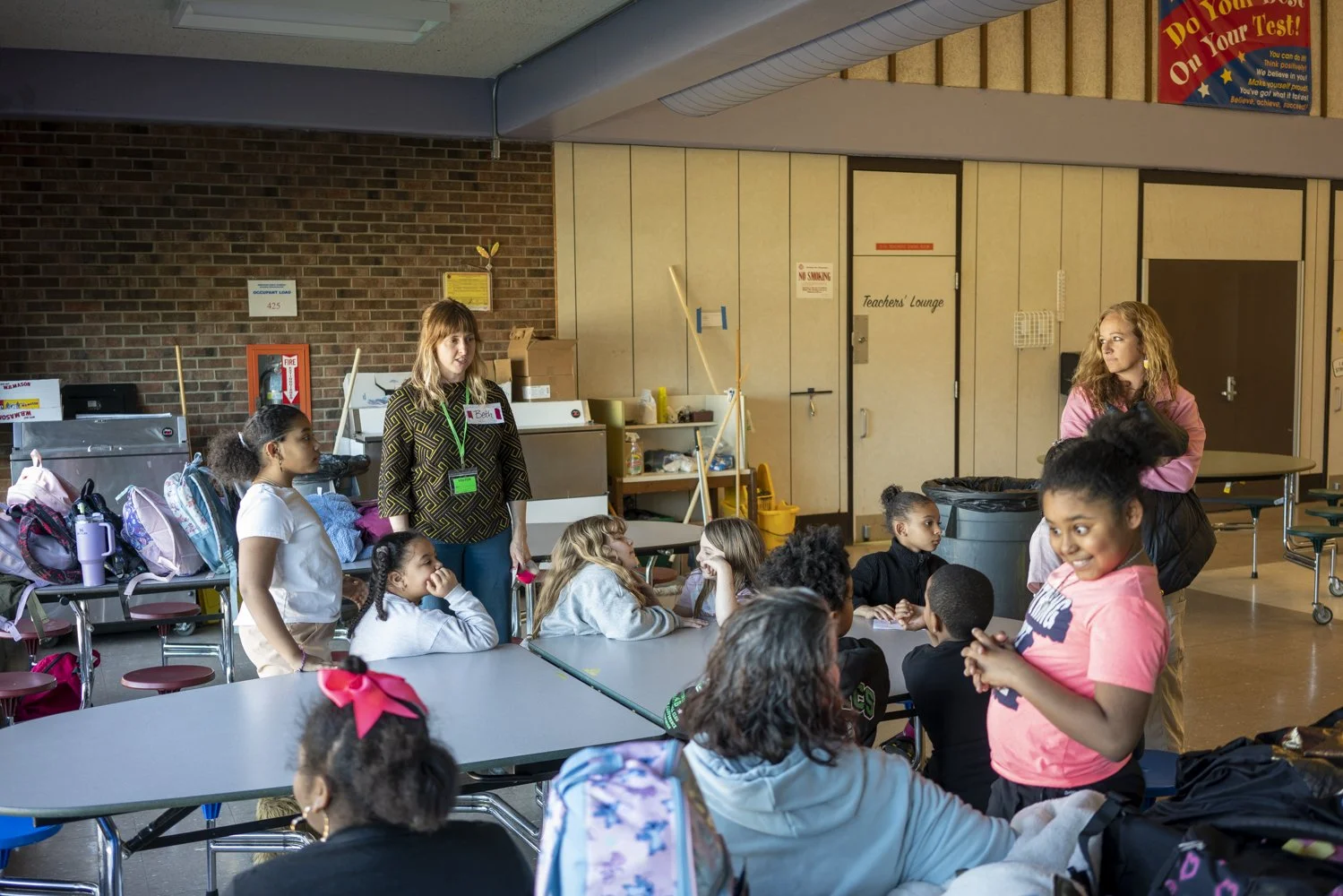
Beth Bailey working with students in Brockton. Photo taken by Don Claude https://www.donclaude.com/
Why 3% and Why Brockton?
A fixed percentage rather than a flexible or occasional donation is a deliberate structural choice. It means the commitment isn't dependent on a good year, a single grant cycle, or leadership's mood. It scales automatically, i.e., more events and more mural work mean more support, without requiring a separate fundraising campaign or ask.
Brockton was chosen because it's a local, specific place with a local, specific impact, not a symbolic "cause." The founder, Beth Bailey’s family lived in Brockton for generations and is grateful that a city such as this was a landing spot when her family immigrated from other countries and settled there. Brockton continues to be a landing spot for people finding their way to the Southeast of MA and Beth is dedicated to supporting this community in the way she knows best, with community art education. Supporting a local after-school program lets Creative Pathways direct its resources somewhere its team can build an actual working relationship, track outcomes, and stay accountable, rather than spreading support thin across a broad, abstract mission statement.
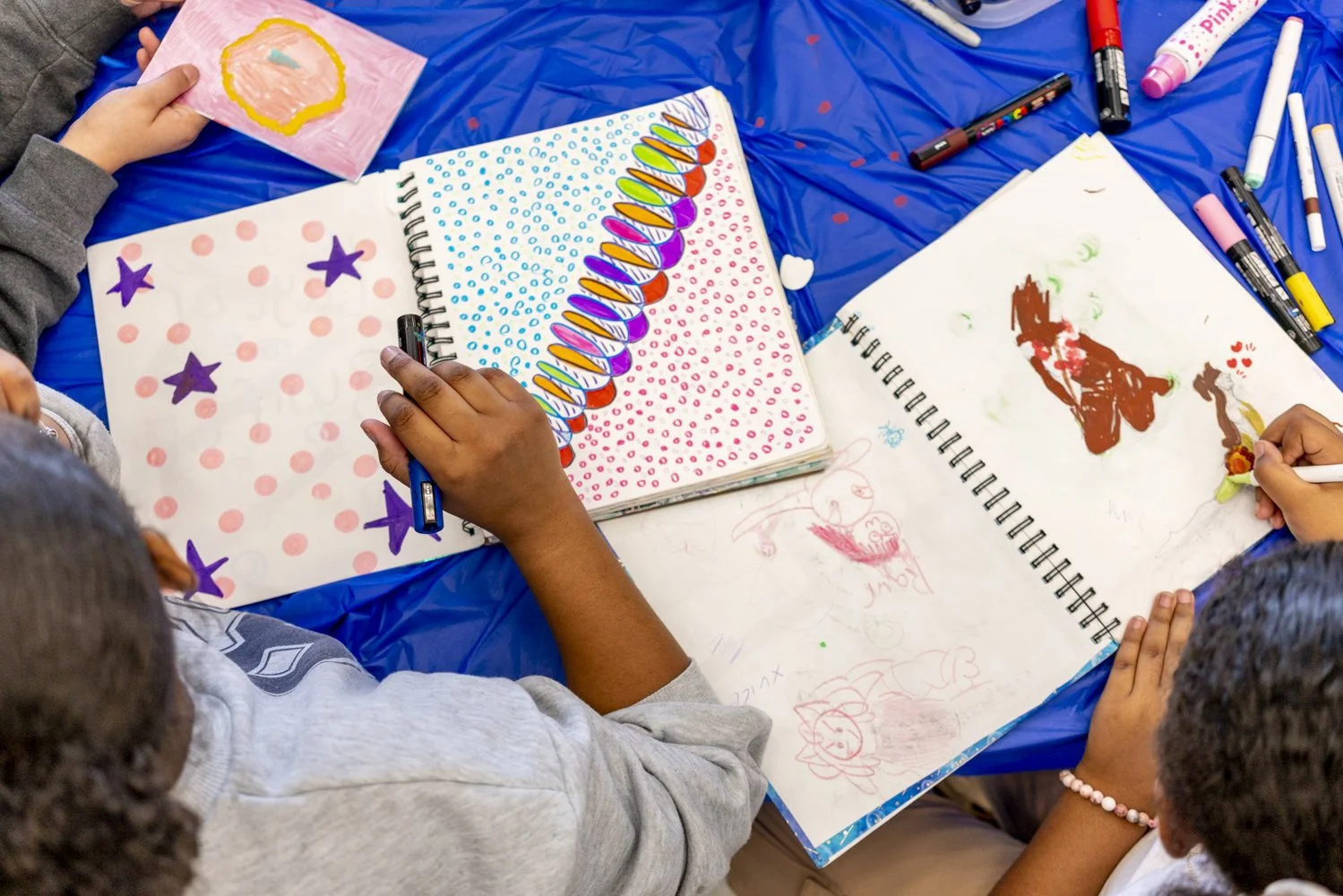
Students in Brockton working in The Sketchbook Project during an after-school community event. Photo by Don Claude https://www.donclaude.com/
What Does the After-School Program Actually Provide?
The program offers enrichment to Brockton children a supervised, structured space to spend their after-school hours. Time that, for many working families, would otherwise go uncovered. Support like this matters most in communities where schedules, transportation, and budgets leave little room for flexibility. The children in these programs aren’t just hanging after school doing homework and hanging with friends, they are being exposed to a variety of ideas and projects to help them build a foundation for a vibrant and community supported life.
Creative Pathways doesn't run the program as a spotlight for its own fundraising story. The funding exists to cover a practical need: staffing, supplies, and the planning that goes into developing programming for a school. That's the extent of it. The value of the program is what it makes possible for the families who rely on it.
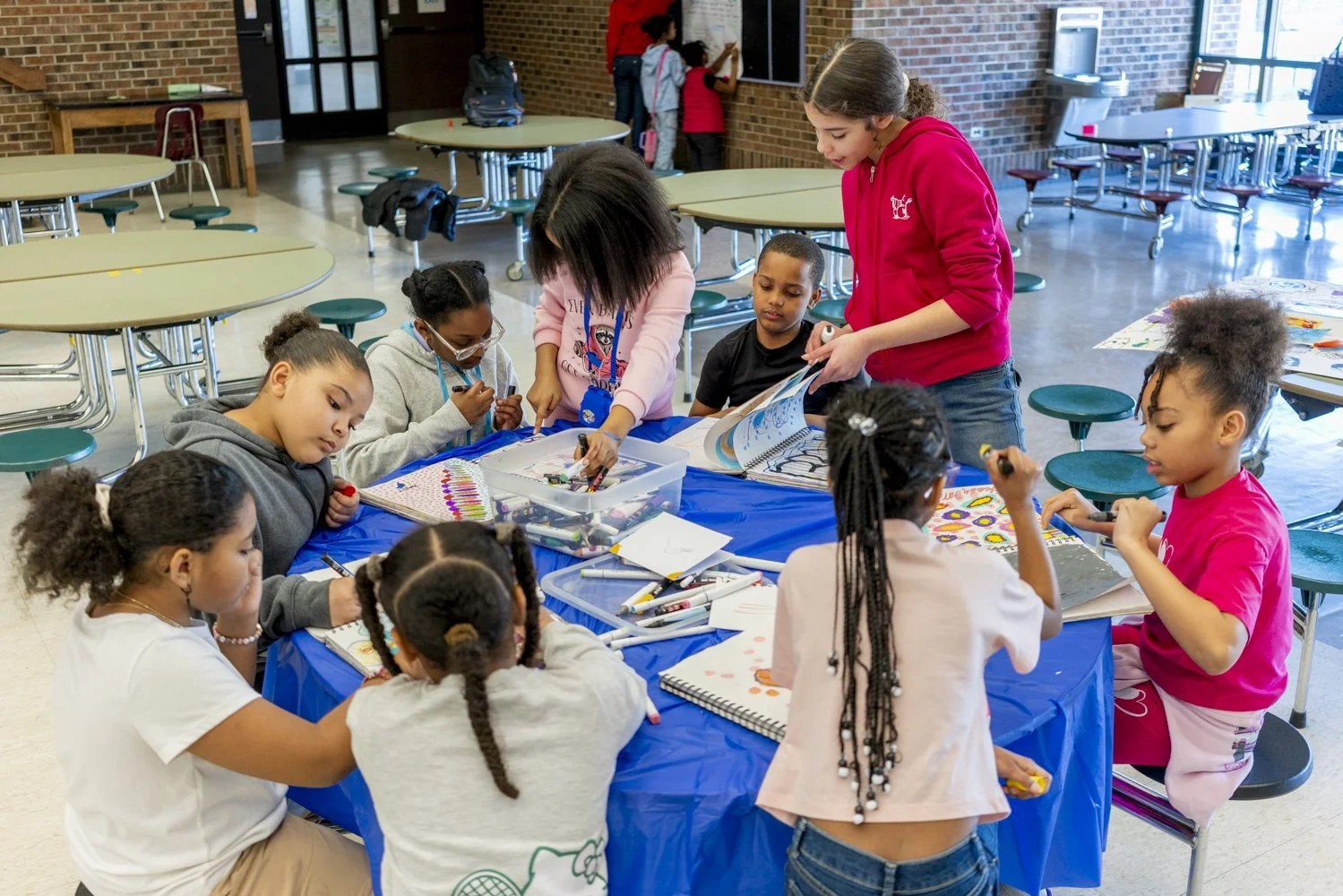
Students at work in Brockton during a Creative Pathways community event. Photo by Don Claude: https://www.donclaude.com/
How Is This Different From Typical Corporate Giving?
A lot of "giving back" models work like this: a company sells a product, and a small slice gets earmarked for a cause, usually announced with fanfare around a single campaign or holiday push. It's often disconnected from the actual work the company does day to day.
Creative Pathways' model is different because the fundraising mechanism is the art itself. Every mural painted, every community event run, every painting sold is doing two things at once, which is (1) building the organization's core creative practice and (2) extending support to Brockton. There's no separate campaign, no special edition product, no added markup. The 3% simply runs in the background of the work Creative Pathways would be doing anyway.
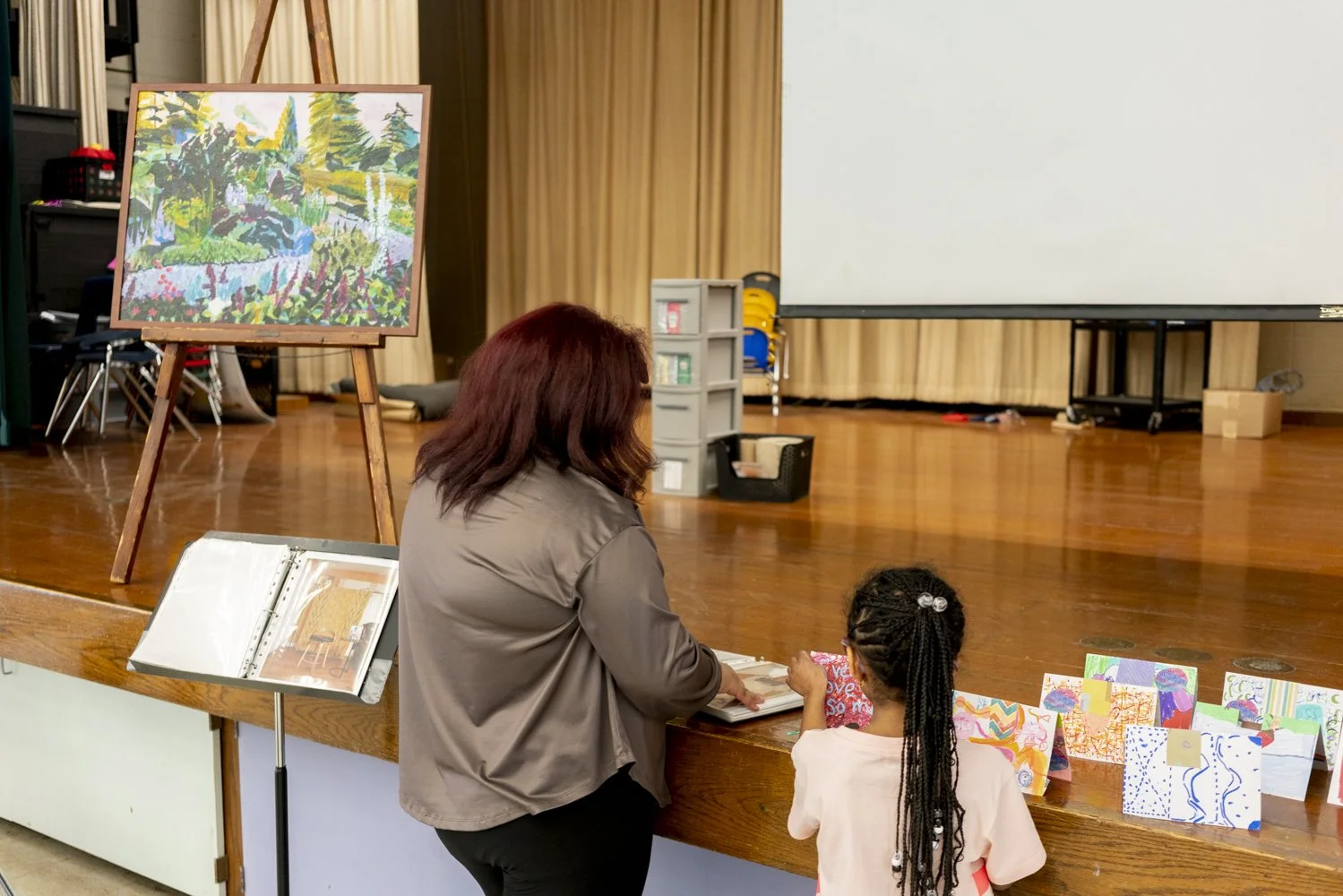
Students during a Creative Pathways community event. Photo by Don Claude: https://www.donclaude.com/
Why Does This Model Matter for Nonprofit Sustainability?
Nonprofits that depend heavily on grants or seasonal donation drives often face unpredictable funding gaps. Tying support to a percentage of ongoing revenue creates something steadier. As long as Creative Pathways keeps doing its core work, events, murals, paintings, the after-school program keeps receiving support without needing a renewed pitch each year.
This is also a model that other small arts organizations can realistically replicate. It doesn't require a major donor or a grant windfall. It requires deciding, structurally, that a percentage of what comes in goes back out to a specific community need, and then building that decision into the business model from the start rather than treating it as an afterthought.
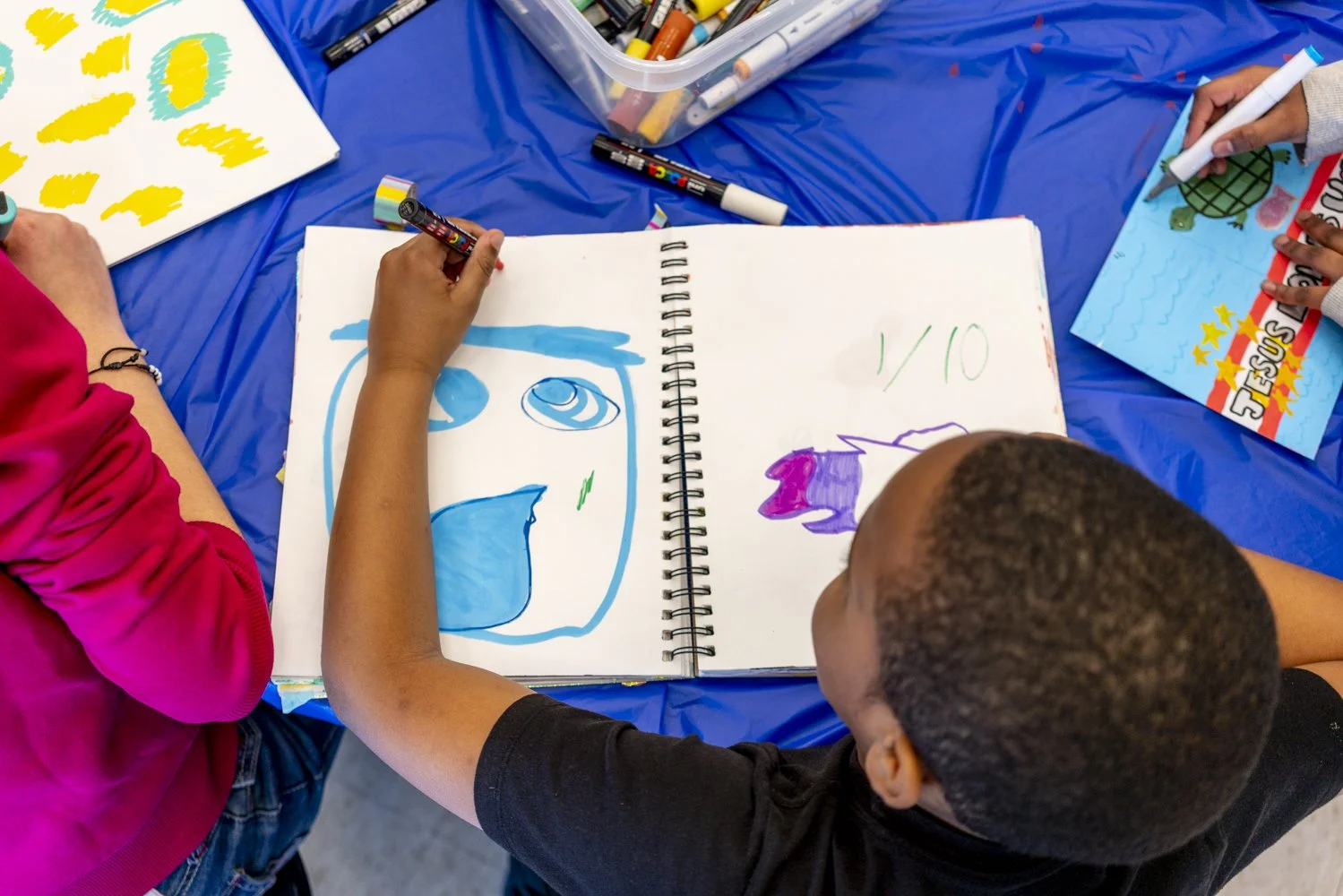
Students working in The Sketchbook Project during a Creative Pathways community event. Photos by Don Claude: https://www.donclaude.com/
The Bigger Picture
Creative Pathways' art programs are built on the idea that creative work is more powerful when it's shared between participants who don't speak the same language, between collaborators layering onto the same canvas, and now, between the studio and a community down the road that benefits from its success. The Brockton partnership is what happens when an arts organization decides that a portion of its growth belongs to the community around it.
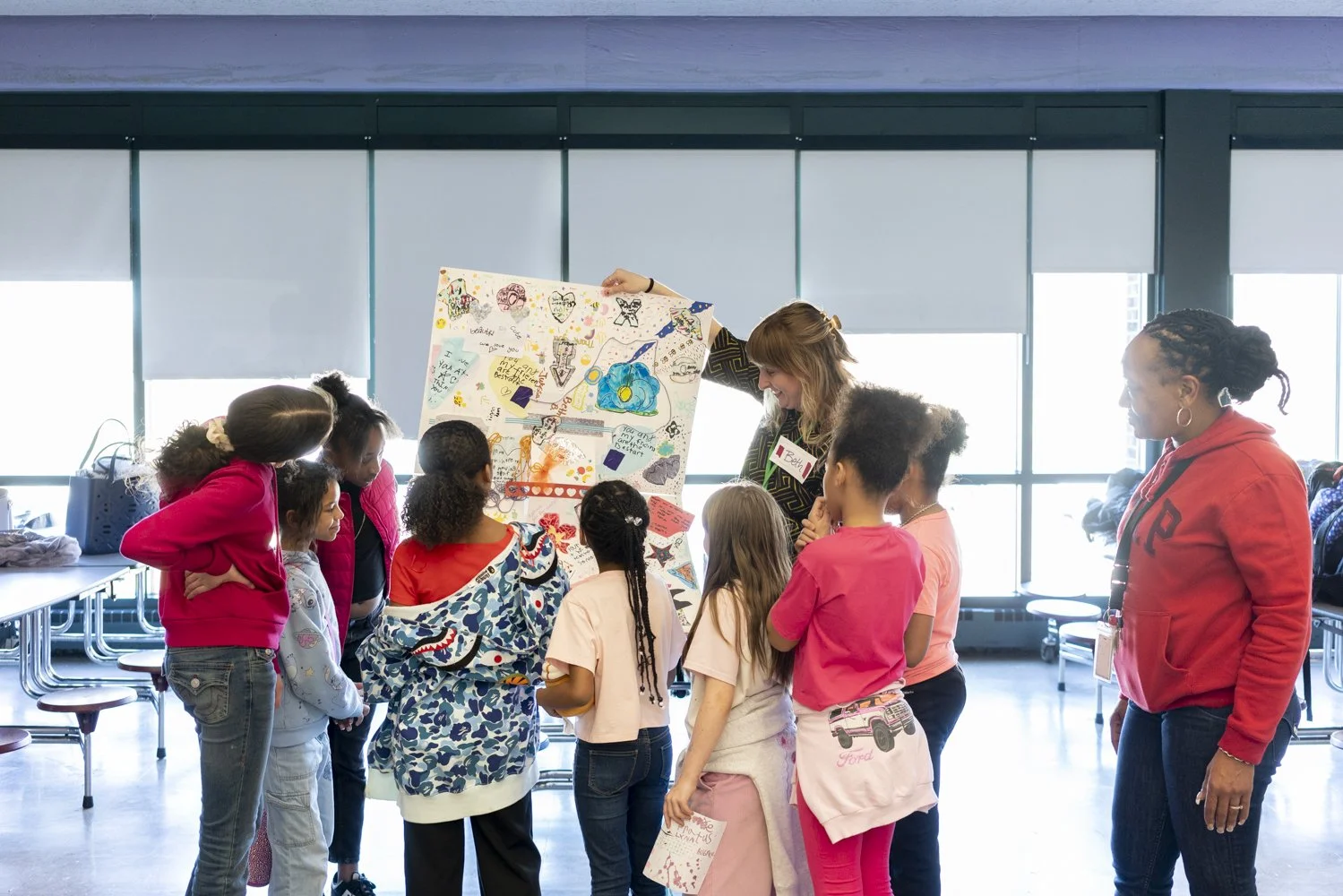
Beth Bailey receiving a gift made by the students during a Creative Pathways community event. Photos by Don Claude: https://www.donclaude.com/
Interested in commissioning a mural or attending a Creative Pathways community event? Every project supports both the studio's work and its ongoing commitment to Brockton. Get in touch to learn more.
