

How to Fund a Large-Scale School Art Program: A Grant Writing Case Study
Creative Pathways funded its "Greetings from Duval Elementary" program primarily through a $5000 Massachusetts Cultural Council Creative Projects for Schools grant. An application was submitted to a local cultural council to cover the remaining costs, but the funding was not awarded, requiring the founder to absorb the financial shortfall. Despite this challenge, the project successfully demonstrated a realistic funding model for community arts organizations partnering with public schools.
Why Grant Funding Shapes the Idea, Not the Other Way Around
Before a single card was designed, Creative Pathways founder Beth Bailey approached funding as part of the creative process itself. When she pitched a large-scale collaborative greeting card project to a local elementary school principal, she already knew a relevant grant cycle, the Massachusetts Cultural Council's Creative Projects for Schools grant, was opening within a couple of months. That early awareness of available funding is what made the idea feasible to propose in the first place.
This is a core principle for any artist or nonprofit pursuing school partnerships: pair your creative vision with a funding pathway from the very first conversation. Knowing the grant amount available (in this case, $5,000) helps scope the size, timeline, and staffing of the program before you get too far into planning details that funding might not support.
Which Grant Programs Cover School Art Projects in Massachusetts?
For Massachusetts-based arts educators, three funding layers looked to here are worth understanding:
Massachusetts Cultural Council (MCC) Creative Projects for Schools grant: a statewide grant that schools apply for directly, often with an artist providing the written proposal.
Local Cultural Council (LCC) grants: town-level funding, allocated by individual municipal councils, that can supplement a larger state grant.
PTO or parent organization funding: a secondary option for closing small gaps, though one that requires sensitivity to the school's broader financial picture.
In this case, the school applied for and received the $5,000 MCC grant, but a follow-up application to the local cultural council for supplemental funds was denied. That was a reminder that layered funding strategies don't always fully close the gap, and program budgets need a contingency plan.
Who Actually Writes the Grant?
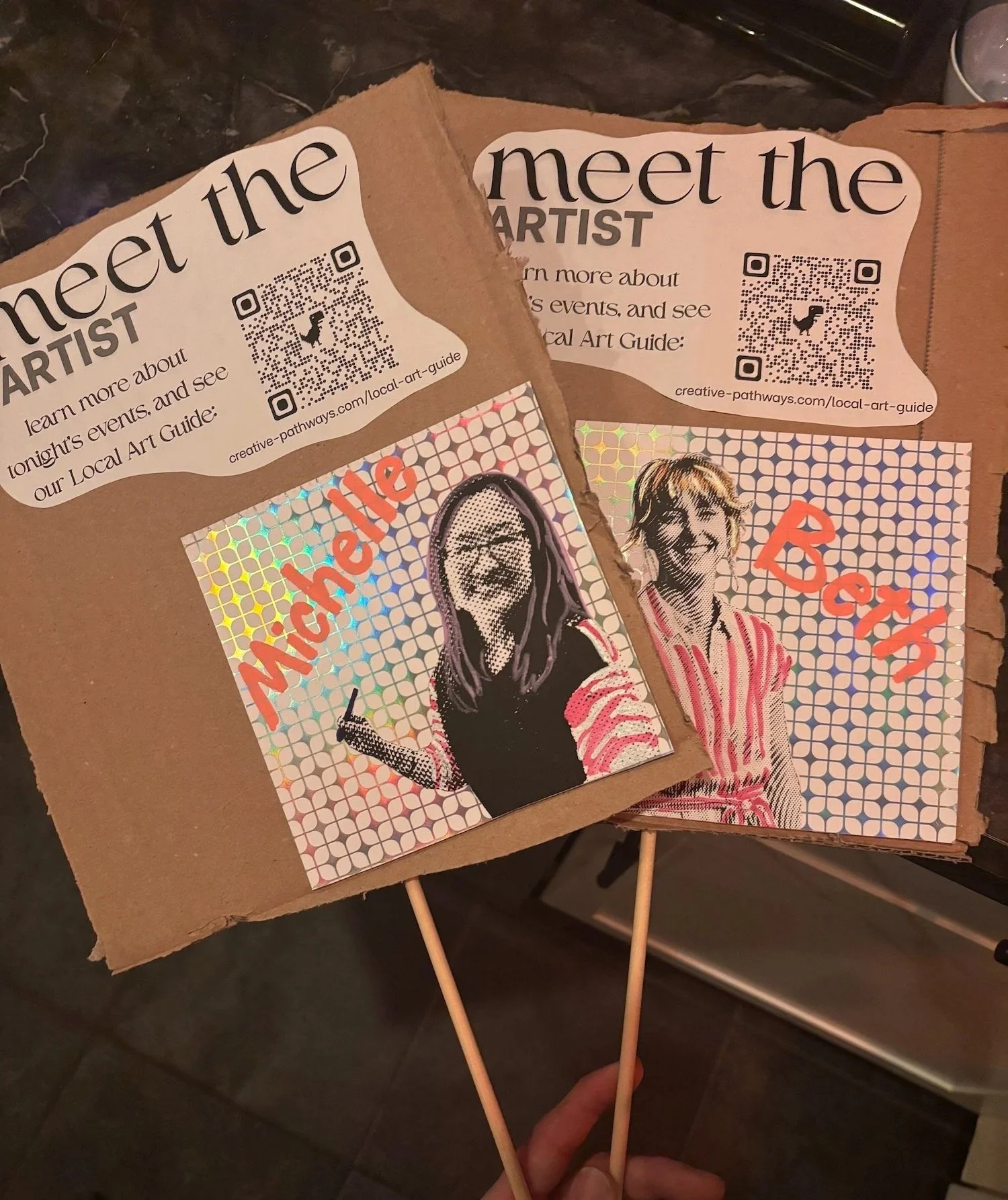
One of the more practical takeaways from this case study: even though the grant application must be submitted by the school through its own Massachusetts Cultural Council account, the artist can (and often should) write the actual content. Bailey drafted the full proposal, including program details, budget breakdown, and rationale, and handed it to the principal to submit along with required demographic information on their end. For busy school administrators, this division of labor is often what makes a grant-funded artist residency possible at all.
If you're an artist pursuing school partnerships, offering to write the grant is a way to ensure the proposal accurately represents your program's goals and increases the odds of approval.
Timeline: What a Real Grant Cycle Looks Like
A realistic grant timeline for this spring program looked like this:
March: Initial planning meeting with the school
April: Grant application submitted
September: Funding notification received
October: Supplemental local grant application submitted
December: News of school district budget shortfall
January: Supplemental grant denied
Spring: Program delivered on-site
Almost a full year elapsed between the first conversation and the first day of programming, which is a timeline arts educators should be prepared for.
What Happens When the Budget Falls Short?
Not every funding story ends with every dollar in place. When the supplemental grant request was denied and the school district revealed it was over $1 million in debt, the program faced a real shortfall. Rather than cutting a visiting artist's pay or dipping into the school's own art supply budget, Bailey chose to personally absorb the difference as a donation to her home community. It’s a decision she frames as values-driven rather than strictly financial.
This highlights an important, often unspoken part of nonprofit and freelance arts work: budget shortfalls are common, and how you respond to them should align with your values and your relationship to the community you're serving. There's no single right answer. Options like cutting scope, seeking additional donors, or absorbing costs are all legitimate depending on context.
Key Takeaways for Artists and Nonprofits Seeking School Grants
Identify funding sources before pitching a program idea to a school.
Understand the layered grant landscape: state, local, and parent-organization funding.
Offer to write the grant proposal yourself and schools will welcome the support.
Build a full school year into your funding and planning timeline.
Have a values-based contingency plan for funding shortfalls.
Frequently Asked Questions
How much does the Massachusetts Cultural Council Creative Projects for Schools grant typically award? In this case, the program received $5,000 through the MCC grant, though award amounts vary by project scope and application cycle.
Who submits a Creative Projects for Schools grant application? The school submits the application through its own MCC account, though the artist can write the content and provide all necessary details.
What should artists do if a grant doesn't cover the full program budget? Options include applying for supplemental local grants, seeking PTO support, reducing program scope, or as in this case the artist absorbing part of the cost as a donation, depending on their relationship to the community and financial comfort level.
Creative Pathways designs grant-funded, community-based art programs for schools across Massachusetts' South Shore. Interested in bringing a collaborative art residency to your school? Reach out to beth@creativepathwaysproject.com to learn more about program design and funding support.
